As AI-powered search experiences reshape how users interact with search engines, AI Overviews have quickly become a major source of visibility. However, while they drive impressions and influence clicks, tracking their actual traffic impact remains a challenge. Unlike traditional organic results, AI-generated summaries often sit above standard listings, which changes user behavior and attribution patterns.
Therefore, if you want to measure performance accurately, you need a more refined tracking approach. This guide explains how to identify, measure, and optimize traffic coming from AI Overviews without relying on guesswork.
Why Tracking AI Overview Traffic Matters
AI Overviews often act as a bridge between search queries and website visits. In many cases, users get partial answers directly in search results and then click through for deeper insights. As a result, traditional SEO metrics like rankings and CTR no longer tell the full story.
Moreover, businesses that fail to track this traffic risk underestimating high-value content. When you understand how AI-driven clicks behave, you can refine your strategy, improve conversions, and justify content investments more effectively.
The Challenge with Attribution
Tracking traffic from AI Overviews is not straightforward. Unlike featured snippets, these summaries don’t always pass clear referral data. In many analytics tools, this traffic may appear under:
- Organic search
- Direct traffic (in some cases)
- Undefined or “(not set)” sources
Because of this ambiguity, marketers need to combine multiple tracking methods rather than relying on a single metric.
1. Use UTM Parameters Strategically
One of the most reliable ways to track AI Overview traffic involves structured URL tagging. Although you cannot directly control links inside AI summaries, you can influence how your URLs appear across content ecosystems.
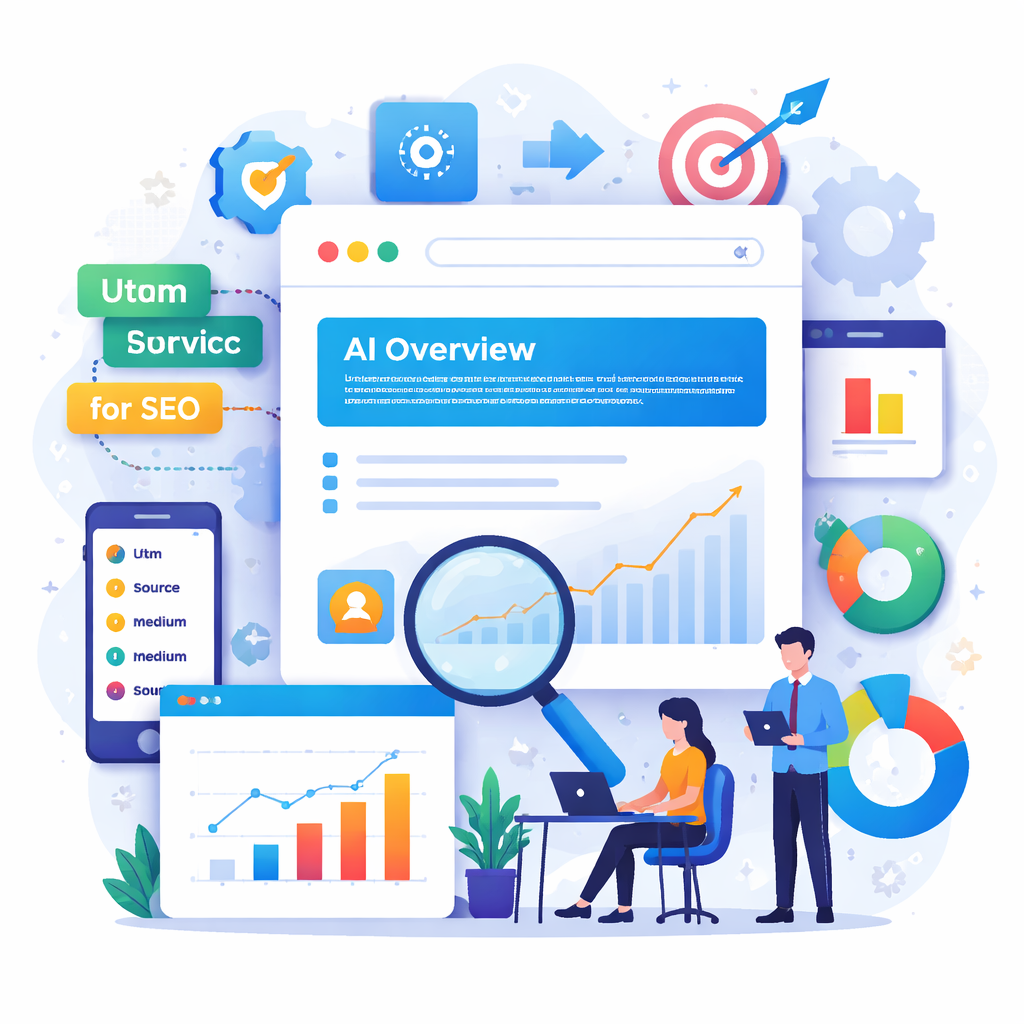
For instance, when distributing content through partnerships, syndication, or owned platforms, add UTM parameters such as:
utm_source=ai_overviewutm_medium=organic_aiutm_campaign=ai_visibility
This approach helps isolate traffic segments that likely originate from AI-generated experiences. Additionally, it creates consistency across reporting dashboards.
2. Monitor Search Console Trends
While analytics tools may lack clarity, search performance tools still offer valuable signals. Focus on patterns rather than exact attribution.
Look for:
- Sudden spikes in impressions without proportional ranking changes
- Queries with high impressions but moderate CTR
- Informational keywords gaining visibility
These trends often indicate that your content appears in AI Overviews. Furthermore, compare time periods to identify growth linked to AI-driven exposure.
3. Segment Organic Traffic Deeply
Instead of viewing organic traffic as a single channel, break it down into smaller segments. This allows you to uncover hidden patterns.
Key segmentation ideas include:
- Landing pages with rising traffic but stable rankings
- Long-tail queries driving new sessions
- Pages optimized for question-based queries
In many cases, AI Overviews favor structured, intent-driven content. Therefore, pages built around FAQs, guides, and definitions often see indirect traffic gains.
4. Analyze Engagement Metrics
Traffic alone does not define success. You also need to understand how users behave after arriving from AI-generated results.
Pay close attention to:
- Bounce rate
- Average session duration
- Pages per session
- Conversion rate
If AI Overview traffic is relevant, users will engage meaningfully with your content. On the other hand, low engagement may indicate mismatched intent or incomplete content alignment.
5. Track Assisted Conversions
AI Overviews often play an early role in the user journey. Instead of driving immediate conversions, they contribute to awareness and consideration.
Because of this, last-click attribution may undervalue their impact. To address this:
- Use multi-channel funnel reports
- Analyze assisted conversions
- Review conversion paths
This broader view helps you understand how AI-driven visits contribute to final outcomes over time.
6. Identify Content Patterns That Trigger AI Visibility
Not all content performs equally in AI Overviews. Certain formats consistently gain more exposure.
These include:
- Clear, concise answers to specific questions
- Structured headings and subheadings
- Fact-based explanations
- Step-by-step guides
When you identify pages with rising traffic and strong engagement, analyze their structure. Then, replicate those patterns across other content pieces to scale results.
7. Leverage Log File Analysis
For advanced tracking, server log analysis can reveal hidden insights. While this method requires technical expertise, it provides a deeper look at how search engines interact with your site.
You can identify:
- Crawl patterns related to AI indexing
- Changes in bot behavior
- Frequency of content retrieval
Although indirect, these signals help validate whether your content feeds into AI-generated summaries.
8. Compare Pre- and Post-AI Trends
Another effective method involves historical comparison. Analyze performance before and after AI Overviews became prominent in your niche.
Focus on:
- Traffic growth for informational queries
- Changes in click distribution
- Shifts in top-performing pages
If certain pages gain traction without ranking improvements, AI visibility is likely influencing performance.
Common Mistakes to Avoid
While tracking AI Overview traffic, many marketers fall into avoidable traps. To improve accuracy, avoid these mistakes:
- Relying solely on last-click attribution
- Ignoring engagement metrics
- Overlooking query-level data
- Treating all organic traffic equally
Instead, take a layered approach that combines multiple data sources and perspectives.
The Future of AI Traffic Tracking
As AI search evolves, tracking methods will also improve. However, waiting for perfect data is not a viable strategy. Businesses that adapt early will gain a competitive advantage.
By combining analytics, structured tagging, behavioral insights, and trend analysis, you can build a reliable framework today. Over time, this approach will help you refine your SEO strategy and maximize returns from AI-driven visibility.
Final Thoughts
Tracking traffic from AI Overviews requires a shift in mindset. Rather than chasing exact attribution, focus on patterns, behaviors, and incremental gains. When you align data from multiple sources, the bigger picture becomes clearer.
Ultimately, success lies in understanding how users interact with AI-powered search experiences. Once you do that, you can create content that not only appears in AI Overviews but also drives meaningful business results.